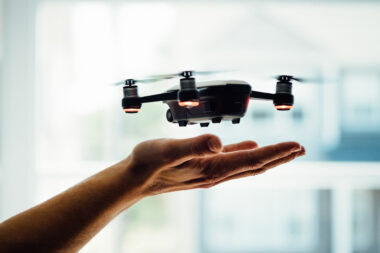
Redefining Companionship in the Digital Age
In an era marked by rapid technological advancement, the boundaries between humans and machines continue to blur. One such area where this fusion is particularly evident is in the realm of pet companionship. Traditional notions of pet ownership are being redefined by the emergence of robotic companions, powered by artificial intelligence (AI) and robotics. These AI-powered solutions not only offer companionship to individuals but also address pressing concerns related to animal welfare. This article delves into the multifaceted landscape of robotic pet companions, exploring their benefits, ethical considerations, and potential implications for the future of animal-human interaction.
The Rise of Robotic Pet Companions: A Detailed Exploration
The ascent of robotic pet companions signifies a paradigm shift in the concept of pet ownership, driven by a convergence of societal, technological, and cultural factors. Consider the case of “Aibo,” a robotic dog developed by Sony. Aibo stands as a prime example of how technological innovation has revolutionized the traditional pet ownership experience. Equipped with AI capabilities, sensors, and lifelike movements, Aibo embodies the essence of a loyal canine companion without the demands of traditional pet care. Its popularity underscores a growing trend towards embracing robotic companionship as a viable alternative to live animals.
Furthermore, the rise of robotic pet companions extends beyond individual consumer markets to encompass broader societal trends. In Japan, where aging demographics and urbanization have led to declining pet ownership rates, robotic companions have gained traction as a means of addressing social isolation among the elderly. For instance, the PARO therapeutic robot, designed to resemble a baby seal, has been deployed in nursing homes and hospitals to provide emotional support and companionship to elderly residents. This example illustrates how robotic companions are not merely gadgets but integral components of social and healthcare initiatives aimed at enhancing well-being and quality of life.
Harnessing AI for Animal Welfare: Real-world Applications and Impacts
The utilization of AI in robotic pet companions has profound implications for animal welfare, transcending the realm of individual ownership to influence broader ethical considerations surrounding animal exploitation and captivity. Take, for instance, the emergence of robotic wildlife conservationists. Organizations such as the World Wildlife Fund (WWF) and the International Union for Conservation of Nature (IUCN) have begun deploying robotic devices equipped with AI-powered sensors to monitor and protect endangered species in their natural habitats. These robotic conservationists can collect data on wildlife behavior, habitat conditions, and poaching activities, enabling conservationists to make informed decisions and implement targeted interventions for species preservation.
Moreover, AI-powered robotic companions have the potential to revolutionize animal rehabilitation and rescue efforts. Consider the case of “FlipperBot,” a robotic sea turtle developed by researchers at the Georgia Institute of Technology. Designed to mimic the movements of a juvenile sea turtle, FlipperBot serves as a tool for studying the biomechanics of sea turtle locomotion and informing conservation strategies for protecting these endangered marine species. By leveraging AI algorithms to replicate natural behaviors, FlipperBot provides researchers with valuable insights into the challenges facing sea turtles in their marine environments, ultimately contributing to their conservation and welfare.
In addition to conservation efforts, AI-powered robotic companions hold promise for improving animal welfare in agricultural settings. The emergence of robotic milking systems, automated feeding devices, and AI-driven monitoring technologies has transformed the landscape of animal farming, offering more humane and sustainable alternatives to traditional husbandry practices. For example, robotic milking systems utilize AI algorithms to monitor the health and behavior of dairy cows, allowing for individualized care and optimized milking routines. These advancements not only enhance the well-being of livestock but also mitigate the environmental impact of intensive farming practices, thus promoting a more ethical and sustainable approach to animal agriculture.
Addressing Animal Welfare Concerns
Robotic pet companions hold significant promise for promoting animal welfare on multiple fronts. By reducing the demand for live animals bred in captivity, these devices mitigate the ethical concerns associated with pet breeding practices. Additionally, robotic companions offer a cruelty-free alternative for individuals who may be unable to care for live animals due to allergies, housing restrictions, or other limitations. Furthermore, by discouraging pet abandonment and overpopulation, robotic companions contribute to the overall well-being of animals by alleviating strain on animal shelters and rescue organizations.
The Emotional Dimension of Robotic Companionship
While the practical benefits of robotic pet companions are evident, their emotional impact on users should not be overlooked. Through their lifelike behaviors, interactive features, and ability to adapt to their owner’s preferences, these companions foster a sense of connection and companionship that mirrors the bond between humans and live animals. For individuals facing social isolation, loneliness, or mental health challenges, robotic companions can provide invaluable support and comfort, enhancing overall well-being and quality of life.
Hardware Components:
Robot Body: The physical structure of the robotic pet companion, which may include materials such as plastic, metal, or composite materials. The design should accommodate components such as motors, sensors, actuators, and other electronic modules.
Actuators and Motors: These components enable movement and interaction. Servo motors, stepper motors, or DC motors can be used to control the motion of limbs, joints, and other parts of the robotic companion.
Sensors: Various sensors are needed to gather information from the environment and enable interaction with users. This may include touch sensors, proximity sensors, cameras, microphones, accelerometers, and gyroscopes.
Processing Unit: A microcontroller or microprocessor serves as the brain of the robotic companion, processing data from sensors, executing algorithms, and controlling actuators. Popular choices include Arduino boards, Raspberry Pi, or specialized embedded systems.
Power Supply: Batteries or power sources are required to provide energy to the robotic companion. Depending on the size and power requirements, rechargeable batteries or external power supplies may be used.
Communication Modules: To enable connectivity and interaction with users or other devices, communication modules such as Wi-Fi, Bluetooth, or Zigbee may be integrated into the robotic companion.
Exterior Features: Aesthetic elements such as fur, skin textures, LED lights, and sound effects can enhance the realism and appeal of the robotic pet companion.
Software Components:
Operating System: Depending on the hardware platform, an appropriate operating system may be selected. This could include Linux-based systems for Raspberry Pi or real-time operating systems (RTOS) for embedded microcontrollers.
Control Software: Software algorithms are required to control the movement, behavior, and responses of the robotic companion. This includes motor control algorithms, motion planning, and behavior generation.
AI and Machine Learning Algorithms: Advanced AI algorithms are used to imbue the robotic companion with intelligence, enabling it to learn from interactions, recognize patterns, and adapt its behavior over time. This may involve machine learning techniques such as reinforcement learning, neural networks, and computer vision.
Sensor Data Processing: Software modules are needed to process data from sensors, extract relevant information, and make decisions based on environmental input. This could involve signal processing, image recognition, and audio processing algorithms.
User Interface: Software for user interaction, including graphical user interfaces (GUIs), voice recognition, and natural language processing (NLP), enables users to communicate with and control the robotic pet companion.
Networking and Cloud Integration: For advanced features such as remote control, data logging, and cloud-based services, software modules for networking, API integration, and cloud computing may be required.
Behavior Models: Predefined behavior models or scripts dictate the actions and responses of the robotic companion in different situations, such as playing, resting, or responding to user commands.
Development Tools:
Integrated Development Environments (IDEs): Software development environments such as Arduino IDE, Raspberry Pi IDE, or specialized robotics development platforms provide tools for writing, compiling, and debugging code.
Simulation Software: Simulation tools allow developers to model and test the behavior of robotic companions in virtual environments before deployment. Popular options include Gazebo, Webots, and MATLAB Simulink.
Programming Languages: Common programming languages for robotics development include C/C++, Python, and MATLAB, each offering different advantages in terms of performance, ease of use, and compatibility with hardware platforms.
CAD Software: Computer-aided design (CAD) tools such as SolidWorks or Autodesk Fusion 360 are used to design and model the physical structure of the robotic companion.
Machine Learning Frameworks: Libraries and frameworks such as TensorFlow, PyTorch, and scikit-learn provide tools for implementing and training AI algorithms for robotic companions.
Version Control Systems: Tools like Git and GitHub enable collaborative development, version tracking, and code management in robotics projects.
Ethical Considerations and Complexities
Despite their potential benefits, robotic pet companions also raise complex ethical questions that warrant careful consideration. The anthropomorphism of robots blurs the line between machines and living beings, challenging traditional notions of companionship and responsibility. Furthermore, concerns have been raised about the potential for robotic companions to perpetuate a commodified view of animals, reducing them to mere objects of entertainment or convenience. As society grapples with these ethical dilemmas, it is essential to approach the development and use of robotic companions with sensitivity and ethical awareness.
Looking Towards the Future
As technology continues to evolve and societal attitudes towards animals evolve, the role of robotic pet companions in shaping the future of animal-human interaction is likely to expand. With ongoing advancements in AI, robotics, and sensor technology, robotic companions will become increasingly sophisticated, capable of providing more immersive and personalized experiences for their users. Moreover, as awareness of animal welfare issues grows, robotic companions may play a vital role in promoting compassion, empathy, and responsible stewardship of animals among the general public.
In conclusion, robotic pet companions represent a groundbreaking fusion of technology and compassion, offering innovative solutions to the challenges of modern pet ownership while promoting animal welfare and well-being. By harnessing the power of AI and robotics, these companions provide a glimpse into a future where technology enriches, rather than diminishes, the human-animal bond. As we navigate the complexities of the digital age, let us strive to embrace the potential of robotic companionship with empathy, mindfulness, and a steadfast commitment to the welfare of all living beings.