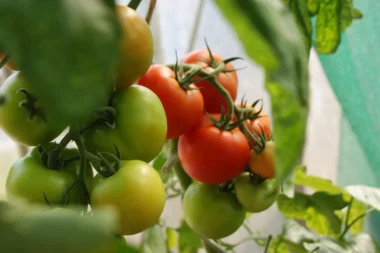
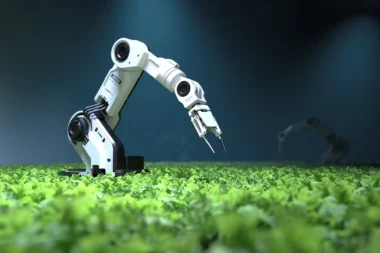
Vertical farming with LEDs refers to a method of growing crops in vertically stacked layers or inclined surfaces, often in controlled indoor environments, using light-emitting diodes (LEDs) as the primary source of light. This innovative approach to agriculture aims to maximize space utilization, increase crop yields, and optimize growing conditions through the precise control of environmental factors. Illustrating this transformative technology, let’s explore the cultivation of leafy greens, such as lettuce, within a vertical farming system illuminated by LED lights.
Cultivation of Lettuce using LED lighting in Vertical Farming
1. Objective and Crop Requirements:
In pursuit of cultivating high-quality lettuce with consistent yields, understanding the crop’s specific requirements becomes paramount. Lettuce, being a leafy green, thrives under distinct light intensity and spectral conditions, necessitating nuanced adjustments during various growth stages.
2. Vertical Growing System:
Maximizing space utilization involves the selection of vertical structures like stacked shelves or towers. The efficient layout design ensures uniform LED illumination across each level, optimizing the growth environment.
3. LED Fixtures Selection:
Tailoring LED fixtures to meet lettuce’s light needs involves a careful balance of blue and red spectra to optimize photosynthesis. The consideration of energy-efficient LEDs further enhances operational cost efficiency.
4. Environmental Control Systems:
To maintain an ideal temperature range for lettuce growth, HVAC systems are implemented. Proper ventilation is crucial to prevent heat buildup and sustain optimal humidity levels.
5. Automation and Monitoring Systems:
Real-time monitoring through sensors capturing light intensity, temperature, and humidity is integrated. Automation systems, powered by sensor data, dynamically adjust LED lighting schedules and environmental conditions.
6. Nutrient Delivery Systems:
Implementing a hydroponic system for efficient nutrient delivery to lettuce roots ensures precision. Automated dosing systems further enhance the accuracy of nutrient distribution.
7. Optimize LED Fixture Placement:
Strategically positioning LED fixtures ensures even light distribution across all lettuce levels. Adjustments in light intensity and spectrum, such as increased blue light during the vegetative phase, optimize growth conditions.
8. Energy Efficiency Considerations:
Energy-efficient LED fixtures are explored, complemented by potential energy harvesting methods like solar panels. Optimizing lighting schedules minimizes energy consumption during non-photosynthetic periods.
9. IoT and Cloud Integration:
Seamless communication is achieved by connecting the LED lighting system and sensors to an IoT platform. Cloud platforms facilitate data storage, analysis, and remote management for enhanced operational efficiency.
10. System Testing and Fine-Tuning:
Comprehensive testing ensures the LED lighting and environmental systems align with lettuce’s growth requirements. Fine-tuning parameters based on testing results optimizes lighting schedules and environmental conditions for optimal growth.
11. Continuous Monitoring and Adaptation:
Establishing ongoing monitoring routines for the entire vertical farming system ensures sustained functionality. Adaptation to technological advancements is prioritized, requiring vigilance and staying informed about new LED technologies and evolving cultivation practices.
Latest Manufacturing Techniques in LED Lighting for Vertical Farming
The latest manufacturing techniques in LED lighting production for vertical farming integrate cutting-edge technologies to enhance efficiency, customization, and adaptability to the unique needs of crops.
1. Micro-LED Technology:
Micro-LEDs, with dimensions less than 100 micrometers, enable precise control over light output. In vertical farming, this allows for the customization of spectra for different growth stages, optimizing photosynthesis and plant development.
Hardware: Precision lithography systems and advanced semiconductor fabrication equipment are employed for the manufacturing of micro-LEDs. This includes specialized equipment for placing and connecting micro-scale LED components.
Software: CAD (Computer-Aided Design) and simulation software assist in the design and optimization of micro-LED layouts. Additionally, process control software ensures the precise execution of manufacturing steps.
2. Quantum Dot LEDs:
Quantum dots, integrated into LEDs, offer tunable emission spectra. This technique facilitates the customization of light spectra, addressing specific crop requirements at various developmental phases in vertical farming setups.
Hardware: Manufacturing quantum dot LEDs involves specialized deposition equipment, such as chemical vapor deposition (CVD) systems. Precision quantum dot synthesis equipment is also employed.
Software: Quantum dot synthesis is guided by chemical modeling software, and manufacturing processes are often controlled using software that interfaces with deposition equipment for precise quantum dot integration into LEDs.
3. Advanced Epitaxy Techniques:
Molecular beam epitaxy (MBE) and metal-organic chemical vapor deposition (MOCVD) techniques enable the precise deposition of semiconductor layers in LED manufacturing. This precision enhances LED efficiency and performance, contributing to improved spectral quality and energy efficiency.
Hardware: Molecular beam epitaxy (MBE) and metal-organic chemical vapor deposition (MOCVD) systems are key hardware components. These systems facilitate the controlled growth of semiconductor layers on substrates.
Software: Epitaxy processes are often controlled by specialized software that regulates temperature, pressure, and chemical flux during layer deposition. Simulation software aids in optimizing growth conditions.
4. Smart LED Systems with Integrated Sensors:
Integrating sensors directly into LED fixtures allows for real-time monitoring of environmental conditions. Smart LED systems can adapt light output based on factors like ambient light, temperature, and plant health, optimizing resource usage and crop yield.
Hardware: Smart LED systems incorporate integrated sensors, such as photodiodes or environmental sensors, within the LED fixtures. This involves sensor integration hardware and connected microcontrollers or processing units.
Software: Control software manages the integration of sensor data, enabling dynamic adjustments to lighting parameters. IoT platforms and data analytics software are utilized for comprehensive data analysis.
5. 3D Printing of LED Components:
Additive manufacturing, specifically 3D printing, provides flexibility in designing LED components. This technique allows for the creation of intricate structures that enhance heat dissipation and light distribution, contributing to the overall efficiency of LED systems in vertical farms.
Hardware: 3D printers equipped with high-resolution printing capabilities and precise material deposition systems are utilized. These printers may include UV curing systems for resin-based printing or selective laser sintering for powder-based printing.
Software: CAD software is essential for designing intricate LED component structures. Slicing software converts 3D designs into printable layers, and process control software manages the printing process.
6. Improved Thermal Management:
Advanced thermal management techniques focus on developing materials with enhanced thermal conductivity and efficient heat sinks. This ensures stable operating temperatures, prolonging the lifespan of LED components and maintaining optimal performance.
Hardware: Advanced thermal management includes heat sinks designed with efficient materials and 3D-printed structures for optimized heat dissipation. Thermal imaging cameras are used for real-time temperature monitoring.
Software: Simulation software aids in designing heat sinks, predicting thermal performance, and optimizing the distribution of heat dissipation elements. Control algorithms adjust fan speeds and other cooling mechanisms based on thermal data.
7. Nanomaterials in LED Manufacturing:
Incorporating nanomaterials like nanowires and nanotubes enhances the efficiency and performance of LEDs. These materials contribute to the development of more compact, energy-efficient LED lighting solutions for vertical farming, improving overall system functionality.
Hardware: Manufacturing nanomaterials involves specialized equipment for the synthesis of nanowires and nanotubes, including chemical reactors and deposition systems.
Software: Simulation software assists in modeling the growth of nanomaterials, predicting their properties, and optimizing manufacturing processes. Control software ensures precision in the synthesis of nanomaterials.
8. Machine Learning for Quality Control:
Machine learning algorithms analyze large datasets for quality control, identifying patterns and anomalies in manufacturing processes. This ensures that LED components meet stringent quality standards, improving reliability and minimizing defects.
Hardware: High-performance computing systems are employed for the training and execution of machine learning algorithms. Imaging equipment, such as cameras and microscopes, is used for data collection.
Software: Machine learning frameworks like TensorFlow or PyTorch are utilized for algorithm development. Image processing and analysis software, often integrated with quality control systems, identify patterns and anomalies in manufacturing processes.
9. Customizable Spectral Output:
Manufacturing techniques that allow for customizable spectral output empower growers to tailor the light spectrum precisely to the photosynthetic needs of different crops. This customization optimizes growth conditions and enhances crop yields in vertical farming systems.
Hardware: LED fixtures designed for customizable spectral output incorporate tunable LED arrays and sophisticated optics for light control. Spectrometers or hyperspectral cameras may be used for spectral measurement.
Software: Control software enables the customization of spectral output, often utilizing graphical interfaces. Spectral analysis software aids in fine-tuning the emitted light spectrum based on crop requirements.
Vertical farming with LEDs presents a transformative approach to agriculture, optimizing crop growth through controlled environments and advanced technology. The cultivation of leafy greens underscores the multifaceted strategies employed, ranging from micro-LEDs to customizable spectral output. However, challenges and considerations must be addressed. These include the initial high costs of implementing LED systems, the need for energy-efficient solutions, and ongoing research to fine-tune optimal light spectra for diverse crops. Additionally, the integration of advanced manufacturing techniques necessitates careful calibration and monitoring to ensure system reliability. As the industry evolves, overcoming these challenges will be pivotal, requiring ongoing collaboration between researchers, manufacturers, and practitioners. Despite these considerations, the potential benefits in resource efficiency, sustainability, and increased yields position vertical farming with LEDs as a promising solution for the future of agriculture.
In conclusion, the exploration of advanced LED solutions for vertical farming, exemplified by the cultivation of lettuce, highlights a promising future for agriculture. The integration of cutting-edge technologies, including micro-LEDs, Quantum Dot LEDs, and 3D printing of LED components, reflects a commitment to precision and efficiency in optimizing crop growth conditions. Despite challenges such as initial high costs and the ongoing need for research, the potential benefits in resource efficiency, sustainability, and increased yields position vertical farming with LEDs as a transformative solution. The collaborative efforts between researchers, manufacturers, and practitioners are crucial in overcoming these challenges and realizing the full potential of this innovative approach. As the industry continues to evolve, vertical farming with LEDs emerges as a beacon of hope for a more efficient, sustainable, and productive future in agriculture.